Gateway Drives: Electric Journeys to America’s National Parks
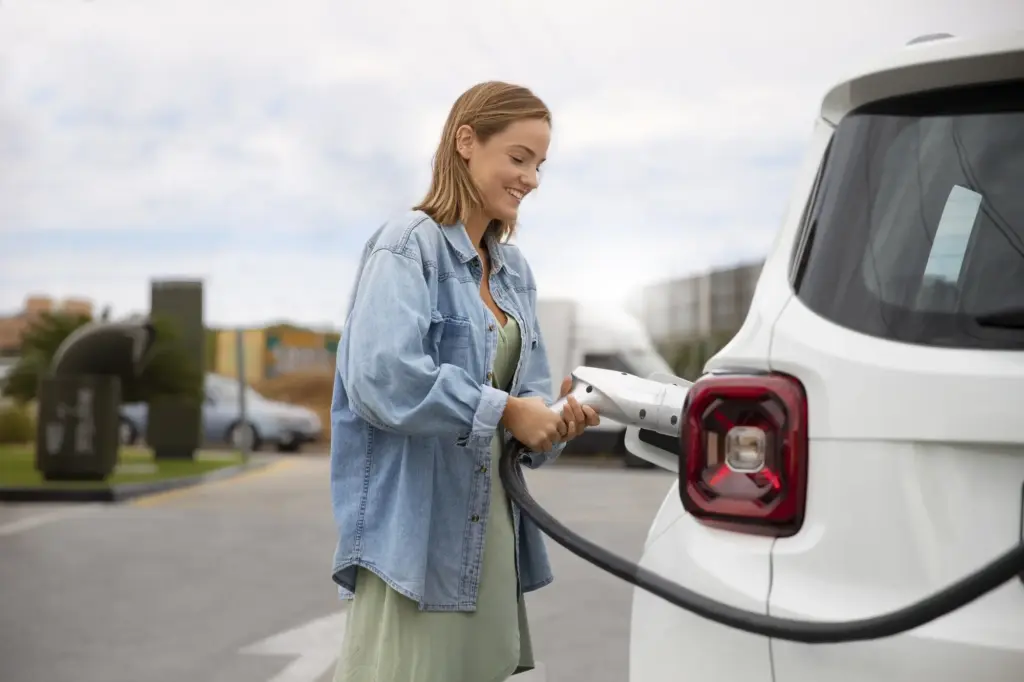
Plan Like a Pro: From Airport Counter to Trailhead
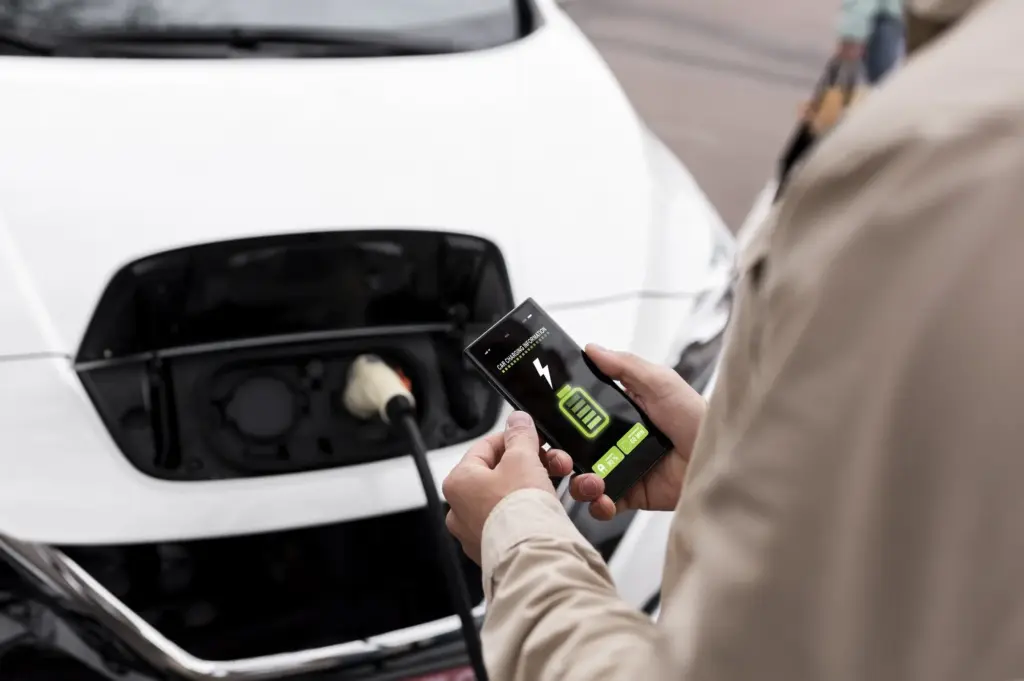
Charging Made Easy in Gateway Towns
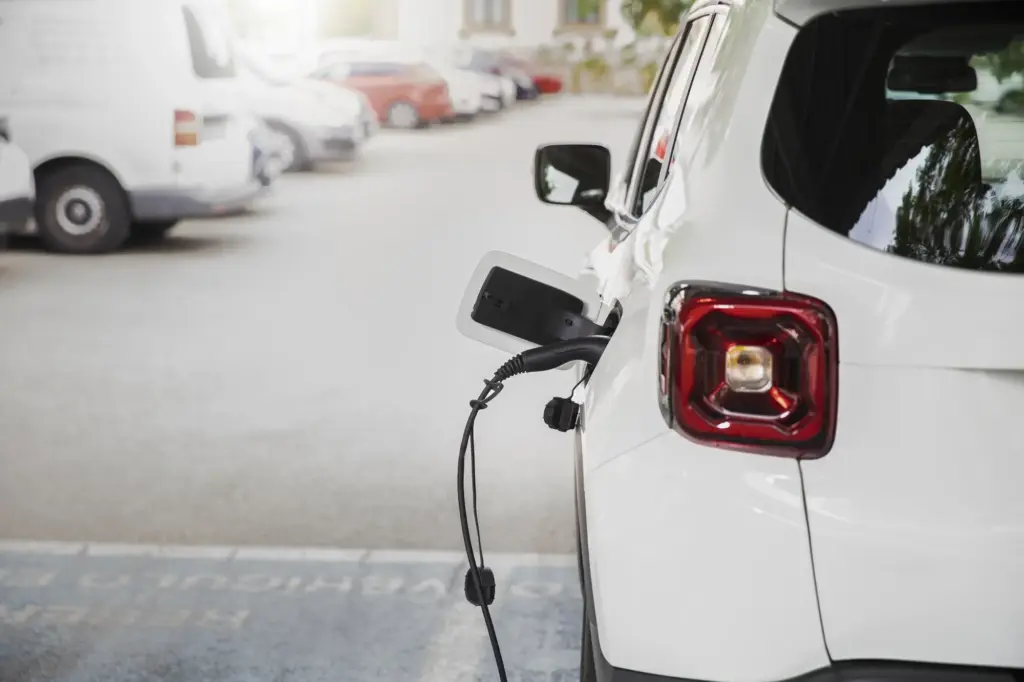
Las Vegas to Zion and Bryce: Desert to Hoodoos
Fresno to Yosemite Valley via Highway 41

Rentals, Policies, and Hidden Fine Print
Respect the Land, Support Communities
A Morning in a Gateway Bakery
The baker in Springdale once slid an extra cinnamon roll across the counter when a visiting driver offered to swap outlets so a local could finish charging before work. Small gestures travel far. Sit, listen, and ask what visitors often overlook. Tip generously. Share welcoming spots and names that made your charging stop feel like a neighborly pause rather than a hurried pit stop between parking lots.
Leave No Trace, Even at a Charging Stall
Treat chargers like shared trailheads. Coil cables gently, tuck trash away, quiet your music, and give space for others to queue. If a station is down, report it with clear photos and respectful notes. Avoid idling beyond what you need. Celebrate hosts by buying snacks or art nearby. Post your stall etiquette tips to help travelers leave towns a little cleaner and kinder than they found them.
Travel Off-Peak and Share the Space
Midweek departures reduce lines at entrance stations, unclog chargers, and make wildlife sightings more serene. You also lighten pressure on small-town groceries and parking. If your schedule allows, try shoulder seasons and early shuttles. Tell us what dates worked, what was closed, and how crowds felt. Your notes help families, rangers, and business owners balance access, conservation, and the simple joy of quiet footsteps on familiar paths.
Contingencies, Weather Swings, and Real-World Fixes
When a Charger Is Down
Don’t panic; verify the issue in-app and on the kiosk, then phone support while documenting the error code. Try a different stall, lower the charge limit briefly, or reseat the connector. If power-sharing is active, move to a non-paired unit. Pivot to your backup station or an overnight Level 2 if needed. Update the app with accurate status to help the next driver dodge the same setback.
Wildfire, Snow, and Seasonal Changes
Monitor official alerts and park social channels for closures and smoke impacts. Sudden weather shifts sap range and alter traction. Reduce speed, use eco modes, and leave an earlier charging window than usual. Carry layers, traction aids where appropriate, and headlamps. Respect temporary restrictions that protect firefighters and plow crews. Share practical detours, safe pullouts, and warm refuges you discovered so others can prioritize safety without guesswork.
No Signal? Navigate and Pay Offline
Before departure, download high-resolution maps and charger locations, then cache park PDFs and shuttle timetables. Store payment credentials in at least one RFID card and set up text receipts for later upload. Use low-bandwidth navigation arrows when satellite tiles disappear. Share tricks for operating door locks, trunks, and charge ports without the phone app. Your offline savvy can turn a dead zone into a smooth, peaceful interlude.

All Rights Reserved.